PlanvyaCo
FE
The Field EditionNational edition · October 27, 2026
SPECIAL PREVIEW · REPORTED THROUGH OCTOBER 27Turn the page. Stay a while.
THE FIELD EDITIONFRONT PAGEOCTOBER 27, 2026
NATIONAL REACH.
JOBSITE ROOTS.

The

Field Edition

A PLANVYA NEWSPAPER · FOR THE PEOPLE WHO BUILD

GOOD WORK.
WELL TOLD.
VOL. I · NO. 3 · SPECIAL PREVIEWTHE NATIONAL EDITION · FREE

The race for digital infrastructure is becoming a race to deliver electricity—and construction crews stand at the center of it.

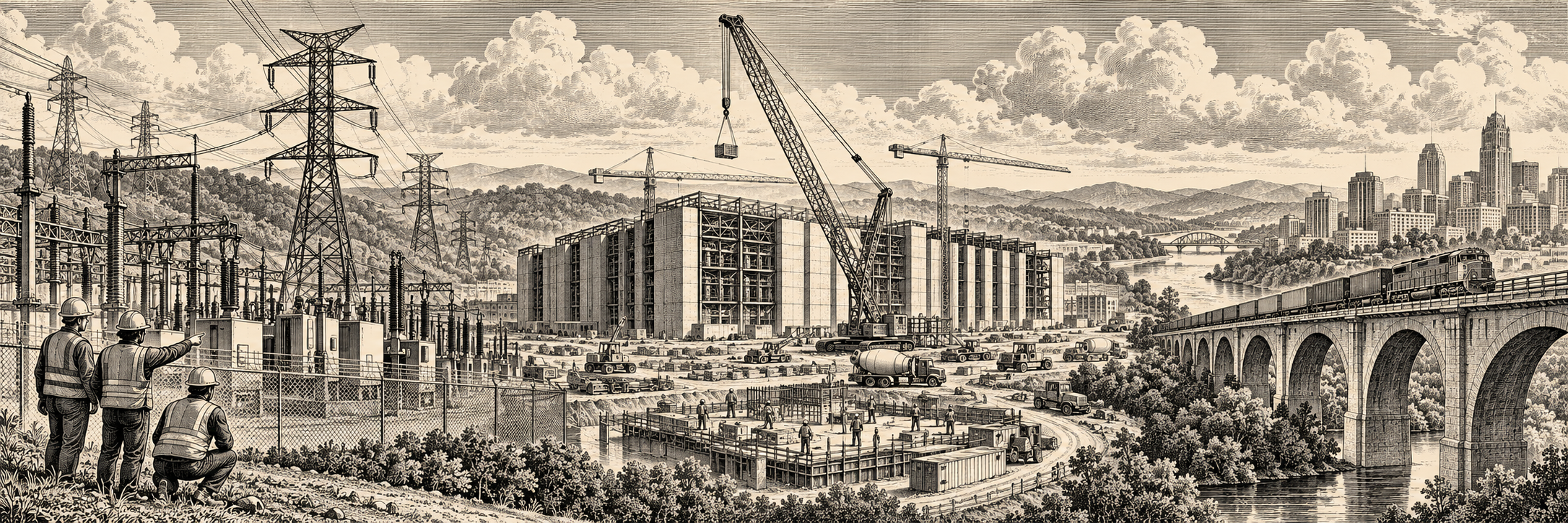
Original newspaper-style illustration connecting power lines, industrial construction, cranes, and a railroad viaduct
Original AI-assisted editorial illustration. A composite scene, not a photograph of a specific project.

WASHINGTON — The race to build digital infrastructure is producing a second construction story outside the server hall: how to move enough electricity to the places that need it. On September 24, the U.S. Department of Energy selected 31 grid-improvement projects across 26 states for its SPARK initiative. Their combined proposed value is $5.25 billion, including $1.9 billion in federal funding and $3.35 billion in recipient cost sharing.

DOE expects the projects to rebuild or reconductor more than 1,500 miles of transmission and deploy grid-enhancing technologies across nearly 21,000 miles. Its projected benefit is more than 23 gigawatts of additional transmission capacity. Those are program expectations, not measurements of improvements already operating. The department’s program page places expected awards between October 2026 and January 2027. Selection is an important commercial signal; it is not proof that every agreement has closed or that construction has begun.

The demand-side pressure is visible in construction figures. An October 6 report by Tom’s Hardware, drawing on the Census Bureau’s detailed August tables, put private data-center building work at a seasonally adjusted annual pace of approximately $84.95 billion, about 73 percent above a year earlier. That measure covers construction; it does not include the servers and racks inside. It also describes an annualized pace, rather than cash spent during August.

INSIDE: MONEY · TECHNOLOGY · PEOPLE · SAFETY · HEALTH · THE FUNNIES
PLANVYA · NATIONAL REACH. JOBSITE ROOTS.01THE FIELD EDITION
THE FIELD EDITIONNATION & WORLDOCTOBER 27, 2026

THE WIRE / NATIONAL & INTERNATIONAL

Across the job.

From the American grid to a British motorway.

The next AI building boom runs through the power grid

Washington’s transmission selections put construction capacity behind the race for electricity. The test now moves from announcements to executable projects.

PlanVya analysis. Taken together, the two developments point toward a broader market than the familiar image of a windowless campus. Electrical infrastructure, civil works, controls, transmission upgrades and the coordination between them become part of the practical delivery challenge. A finished building has limited commercial value if its operating requirements arrive ahead of the infrastructure needed to support them. The relevant milestone is therefore not simply a roof enclosure or a substantial-completion certificate, but a credible path to usable power.

For contractors evaluating this opportunity, project maturity deserves as much attention as headline capacity. A selection notice, a utility study, a funded agreement and an authorized construction package answer different questions. Teams can improve bid discipline by recording which condition each prospect has actually satisfied, then aligning estimating effort and supplier commitments with the evidence. This is particularly important when a program’s public dollar figure combines federal support with contributions that recipients must provide.

Owners face a parallel coordination problem. Transmission improvements do not create generating fuel or settle every local connection issue. A sensible project review should distinguish generation, the network that transports electricity, and the final connection to the customer. Treating all three as a single promise can conceal a dependency that emerges late, when expensive building work is already committed.

The construction opportunity is real enough to investigate. Its timing still needs to be earned project by project. SPARK’s next consequential news will be the agreements, scopes and delivery milestones that convert selected applications into work that can be procured, built, tested and placed in service.

Reporting & source notes

Original synthesis by the PlanVya Field Desk. Sources checked October 27, 2026. Analysis is identified in the text.

HS2 slides its final M6 viaduct into place

A motorway crossing illustrates how construction sequencing can protect transport capacity—and how weather still controls the calendar.

CHELMSLEY WOOD, England — HS2 reported October 26 that its second M6 South viaduct had been moved into position over the motorway on October 24, completing the structures of the parallel crossings. The west deck weighs 4,750 tonnes and measures 320 meters. Balfour Beatty VINCI carried out the final launch using hydraulic jacking, with traffic continuing on the M6 below.

The main motorway remained open, but the M42–M6 link road closed to establish a safety exclusion area. HS2 said that road reopened 25 hours ahead of schedule. The achievement came with a weather qualification elsewhere: strong winds postponed parapet installation at the Water Orton viaducts over the M42. That operation was rescheduled for the following weekend. A successful launch and a delayed neighboring activity can coexist within the same major program.

Earlier in October, HS2 announced completion of the 320-meter Westbury viaduct near Brackley. Its double-composite structure places reinforced concrete both above and below steel beams. Contractor EKFB used a travelling formwork system to cast the deck in 42-meter sections after the steelwork had been slid into position. The program described the arrangement as a way to use steel and concrete more efficiently than a conventional design.

PlanVya analysis. For American transport builders, the transferable lesson is the value of designing around the installation method. A bridge is not only its finished structural arrangement. It is also a sequence of temporary states, access requirements, load transfers and decisions about when the traveling public can safely remain nearby. Planning those states early can make an ambitious construction operation easier to explain to road agencies and surrounding communities.

The two October milestones also show why project reporting needs careful verbs. Structural completion of a crossing does not mean a railway is open. Finishing a viaduct can leave earthworks, systems, testing and connecting infrastructure elsewhere on the route. Readers assessing a megaproject should be able to tell which asset has advanced, what that milestone unlocks and which interfaces remain outside its scope.

That precision matters commercially as well as editorially. Contractors price access windows and temporary works; users experience closures and diversions. An account that records both the completed launch and the postponed neighboring lift offers a more useful picture than a celebratory milestone alone. It shows the actual bargain in infrastructure delivery: substantial preparation can reduce disruption, while the decision to defer an operation remains part of competent execution.

Reporting & source notes

Original synthesis by the PlanVya Field Desk. Sources checked October 27, 2026. Analysis is identified in the text.

Rows of Wikimedia server racks in an archival July 2012 photograph.
Wikimedia servers, July 2012. Archival illustration; not a project selected under SPARK. Helpameout / Wikimedia Commons · CC BY-SA 3.0
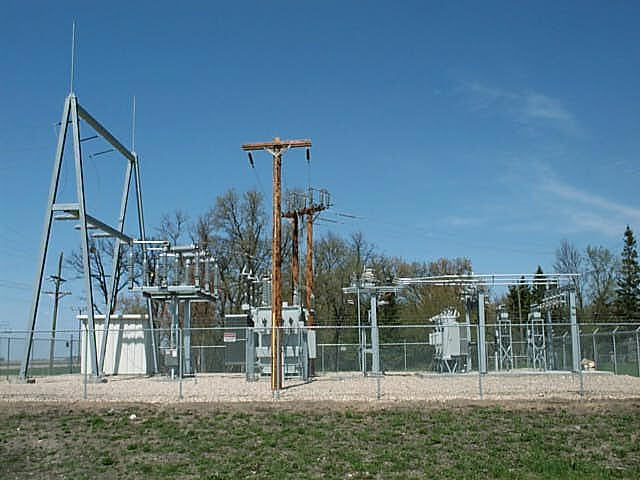
Electrical substation in Warren, Minnesota, photographed in June 2001.
A Warren, Minnesota substation in June 2001. Archival illustration of power infrastructure; not a SPARK project. Wtshymanski / Wikimedia Commons · Public domain, released by photographer
Why these stories belong together. Our analysis: power projects and railway structures have different designs, but both demand coordination beyond a contractor’s fence. Access, utility interfaces, approvals, and public impacts belong in the construction plan from the start.
PLANVYA · NATIONAL REACH. JOBSITE ROOTS.02THE FIELD EDITION
THE FIELD EDITIONTECHNOLOGYOCTOBER 27, 2026

THE NEW MACHINERY / TOOLS & TECHNOLOGY

Tomorrow has a hard hat.

Innovation earns its place when the field can use it.

The robot arrives. The jobsite keeps changing.

New NIOSH guidance puts the human–machine interface at the center of construction automation.

A construction robot may repeat a task accurately while the conditions around it change completely. That tension sits at the center of an October 7 NIOSH science bulletin examining robotics on construction sites. The agency describes a tradeoff: automation can reduce exposure to dangerous or physically demanding work, while human–robot interaction introduces hazards that require deliberate management.

The bulletin identifies changing work areas, overlapping trades and environmental conditions that can affect sensing and visibility. It also describes research into collaborative masonry robots, whose controls would follow a mason’s movement, and computer vision that could detect collision hazards. These are research activities, not evidence that a universal, finished safety solution is available for every site. NIOSH recommends attention to leading indicators such as near misses, emergency stops, sensor faults and unauthorized entries into robot work areas.

A related August 26 NIST publication addresses a different piece of the technology puzzle: combining component digital twins into larger systems. The researchers describe the difficulty of making models communicate, reconciling data from different suppliers and maintaining validity throughout a system’s life. Their work concerns industrial digital twins, rather than a certified construction-site product, but the integration problem has clear relevance to teams assembling equipment and software from multiple vendors.

PlanVya analysis. A useful procurement conversation should therefore move beyond what a robot can do in a demonstration. The owner and contractor need to establish who controls its work area, who can authorize a restart and what happens when the site stops matching the model. These questions belong in the operating plan before a machine reaches the gate. They also need answers that subcontractors and visiting workers can understand.

Consider a layout or inspection task that depends on a current digital model. If a temporary barrier moves, an access route changes or a new trade enters the area, the information chain must reach the people responsible for the automated operation. Otherwise, a technically accurate model can become operationally stale. The point is not to demand perfect information; it is to define how discrepancies are noticed, escalated and resolved.

Performance evaluation should be equally concrete. A pilot can record useful work completed, interventions, interruption time and the conditions under which the system cannot proceed. That gives the project team a basis for deciding whether automation improves the whole task, including setup and recovery. A fast machine surrounded by unresolved handoffs may not create a faster project.

The most credible technology story this autumn is consequently a management story too. Robotics may change who performs a hazardous activity, but someone still has to organize the surrounding work. The purchasing decision should reward evidence of a workable field process as well as the sophistication of the machine.

Reporting & source notes

Original synthesis by the PlanVya Field Desk. Sources checked October 27, 2026. Analysis is identified in the text.

The best demo is your own bad day.

A product demo runs in a cooperative universe. The drawing is legible. The connection works. Nobody has renamed a file “FINAL-final-2.” Your project may offer different conditions.

Before buying, bring a realistic test: a revised sheet, an interrupted connection, an incomplete record, and a person who has never seen the system. Ask the vendor to show what happens when the answer is uncertain, who can correct it, and whether the crew can still retrieve its records later.

A useful tool makes an ordinary day easier and a difficult day recoverable. A polished screen alone does neither.

PLANVYA · NATIONAL REACH. JOBSITE ROOTS.03THE FIELD EDITION
THE FIELD EDITIONMONEY & MARKETSOCTOBER 27, 2026

THE BUSINESS DESK / CONSTRUCTION FINANCE

Follow the money.
Then follow the cash.

The national numbers—and what they do not tell a contractor.

A $2.20 trillion market—and a monthly gain that needs a footnote

August spending improved on paper. The uncertainty around that estimate matters when firms translate economic news into commitments.

U.S. construction spending reached a seasonally adjusted annual rate of $2,203.1 billion in August, according to the Census Bureau’s October 1 bulletin. The estimate was 0.9 percent above July’s revised $2,184.5 billion. But the published margin of error was plus or minus 1.0 percentage point. The 90 percent confidence interval includes zero, so Census said the evidence was insufficient to conclude that the actual monthly change differed from zero.

The figures are adjusted for seasonal patterns, not price changes. They measure the value of work put in place and should not be read as the value of new contracts signed that month. Nor is an annual rate the amount spent in a single month. Those distinctions are essential when an owner, lender or contractor uses the headline to describe the market’s direction.

Nova Scotia’s Department of Finance, summarizing the U.S. figures on October 1, reported private construction at an annual rate of $1,655.3 billion and public construction at $547.8 billion. Its breakdown placed residential work at $894.6 billion and nonresidential work at $1,308.5 billion. These category totals describe the distribution of spending; they do not establish the prospects or credit quality of an individual project.

PlanVya analysis. The financing implication is to resist replacing project evidence with a national trend. A business can be busy in a flat market or short of cash in a rising one. Cash conversion depends on contract terms, approved changes, billing documentation and collection timing—questions that a national spending estimate cannot answer. Market data is useful context for a financing discussion, but it cannot substitute for the project’s own payment record.

For an estimating team, the practical response is to distinguish opportunity from commitment. An owner’s early interest can justify a preliminary conversation without justifying an irreversible procurement decision. Before reserving substantial capacity, the team should understand the project’s funding status, release conditions and authority to proceed. Those checks are especially useful where a public announcement combines proposed public support with private or recipient contributions.

For management, the same discipline improves interpretation of a pipeline report. A large prospect list is not the same as authorized backlog, and authorized backlog is not cash in the bank. Showing those stages separately can help a firm spot whether growth is coming from executable work or from an expanding collection of unresolved assumptions. The distinction can also make conversations with financial partners more productive.

August’s report offers a defensible description of national activity and an explicit warning about statistical certainty. It does not support a declaration that every construction market has turned upward. The more useful reading is measured: track the next releases, acknowledge revisions and uncertainty, and let the evidence on each project determine the commitments made in its name.

Reporting & source notes

Original synthesis by the PlanVya Field Desk. Sources checked October 27, 2026. Analysis is identified in the text.

Put the question in the meeting.

Which approved invoice is still outstanding? Which stored material needs documentation? Which change is priced but not authorized? Who owns the next action?

Those questions are ordinary enough to overlook. Answered consistently, they connect the field record to the billing desk. “We talked about it” is a weak substitute for a dated ticket, a receipt, and a clear approval trail.

PLANVYA · NATIONAL REACH. JOBSITE ROOTS.04THE FIELD EDITION
THE FIELD EDITIONPROJECT OF THE WEEKOCTOBER 27, 2026

PROJECT OF THE WEEK / BALTIMORE, MARYLAND

The city above.
The work below.

A closer look at the Frederick Douglass Tunnel Program.

Before the new tunnel, a city’s utilities have to move

The B&P replacement program’s October work shows how an immense rail investment advances through small, interdependent street-level tasks.

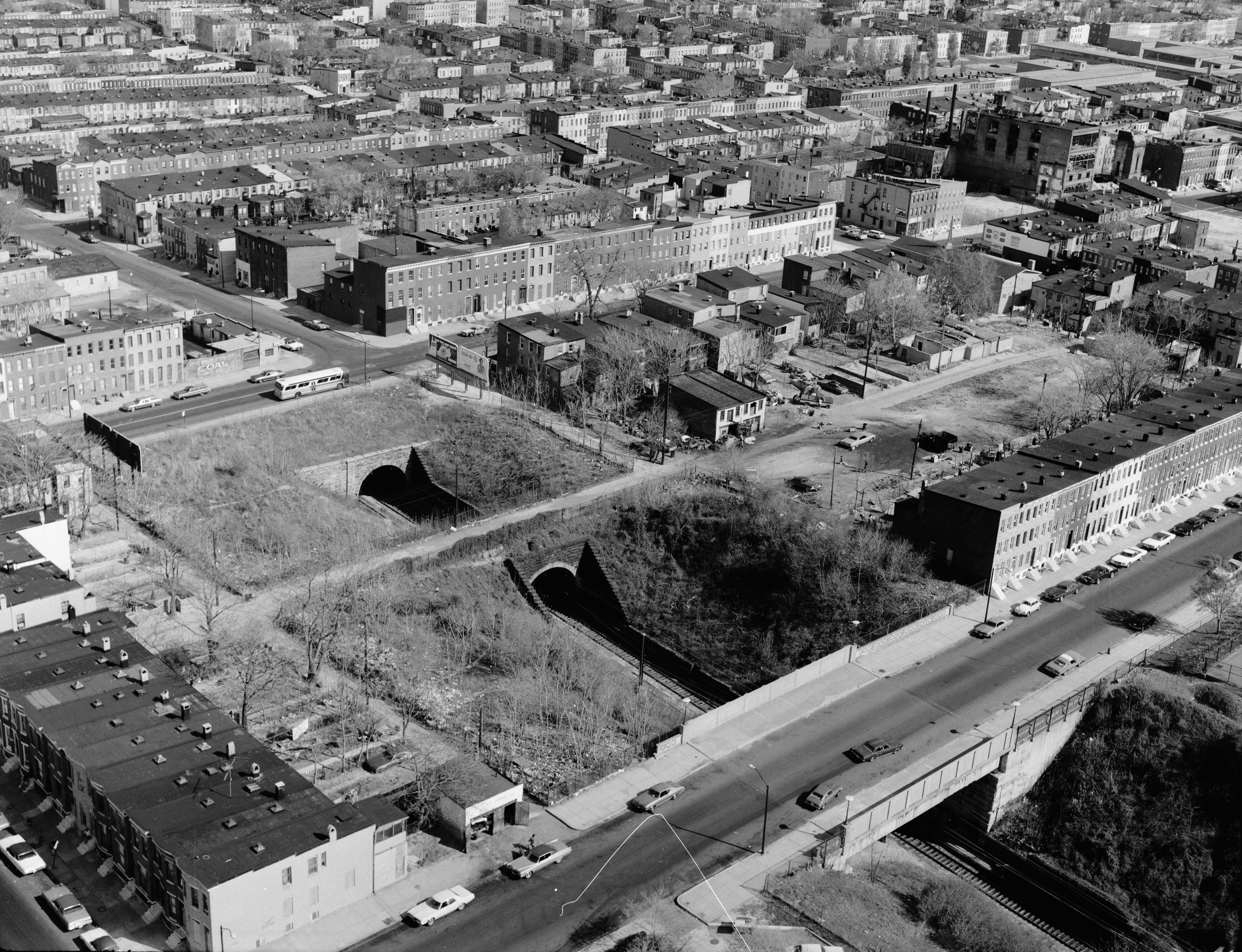
BALTIMORE — The public image of a tunnel program is usually a giant machine underground. In West Baltimore, Amtrak’s October construction notice tells a more granular story: waterlines, soil stabilization, piles, bridge work and utilities being moved out of the way. These are enabling activities for the B&P Tunnel Replacement Program, whose centerpiece is the new Frederick Douglass Tunnel.

The October 11 notice described jet grouting near North Payson Street and Riggs Avenue, with work expected to continue for approximately six months. It also listed work on a utility siphon beneath the existing Northeast Corridor tracks, pile driving on North Pulaski Street and utility improvements and bridge construction on West Mulberry Street. Waterline activity at North Payson and West Lafayette was scheduled to begin around October 19. These were the owner’s published plans and status reports; individual activities remain subject to change.

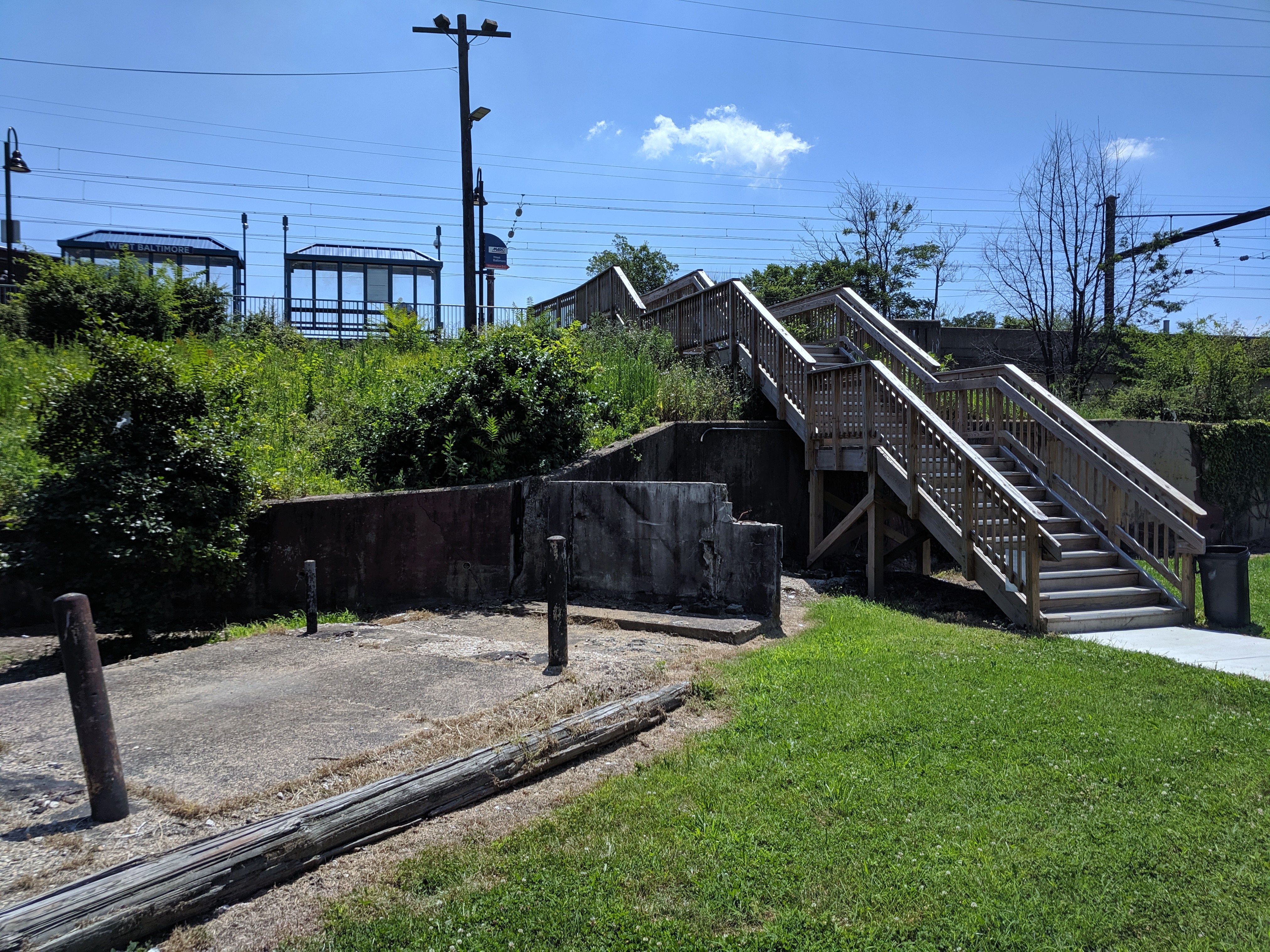
Amtrak’s program page lists estimated completion in 2036. The replacement’s two approximately two-mile tubes are designed for electrified passenger trains, with speeds up to 100 mph. The broader program modernizes a 10-mile section of the Northeast Corridor and includes a new accessible West Baltimore MARC station. Amtrak identifies Kiewit/J.F. Shea as the tunnel package’s construction manager at risk and Clark Construction/Stacy and Witbeck as the corresponding team for the southern approach.

The existing 1.4-mile B&P tunnel is more than 150 years old. Amtrak describes water infiltration, structural deterioration and a sinking floor, along with tight curves that limit speeds to 30 mph. Those conditions explain why the program combines new tunneling with changes to the surrounding railway rather than treating the tunnel as an isolated asset.

PlanVya analysis. This is a useful project to watch because it makes the dependency chain visible. A major underground structure depends on access and stable ground. Track changes depend on utility and power arrangements. Bridge work depends on safe staging beside a functioning city. A delay in an apparently modest package can matter far beyond the block where residents see crews working.

The same is true of community coordination. A partial intersection closure, altered pedestrian route or early concrete pour becomes part of daily life for people who may never study a program schedule. Clear notices are therefore a delivery tool: they help people understand the immediate effect of a task and distinguish it from the project’s distant completion date. Reporting those effects also prevents the public narrative from skipping over years of enabling work.

For contractors elsewhere, Baltimore offers a reminder to judge progress by what an activity makes possible next. Grouting, relocation and foundation work may offer fewer dramatic photographs than a breakthrough underground, yet each can remove a constraint from the sequence ahead. The project of the week is worth following precisely because its most consequential construction story is being written before the new trains arrive.

Reporting & source notes

Original synthesis by the PlanVya Field Desk. Sources checked October 27, 2026. Analysis is identified in the text.

NEIGHBORHOODSEXISTING RAILUTILITIES
NEW TUNNEL WORK

Conceptual relationships only. Positions, dimensions, alignment, and construction methods are not represented.

PLANVYA · NATIONAL REACH. JOBSITE ROOTS.05THE FIELD EDITION
THE FIELD EDITIONWORKFORCE & EDUCATIONOCTOBER 27, 2026

THE NEXT CREW / EDUCATION & OPPORTUNITY

There is more than one
road into the trades.

Local classrooms. National possibilities.

The first rung into a trade needs a clear next step

Programs in Maine and Illinois show how community colleges can connect introductory training, employers and longer-term education.

For someone considering construction, the first challenge may be understanding what a program actually leads to. A short course, a college credential and a registered apprenticeship can serve different purposes. The strongest recruitment conversation explains the next step as clearly as the first: what the participant will learn, whether training is paid, which costs remain and how to pursue employment afterward.

In South Portland, Southern Maine Community College lists its Construction Institute for September 8, 2026, through January 14, 2027, with Tuesday and Thursday sessions from 4:30 to 8:30 p.m. Its curriculum includes construction and tool safety, OSHA 10, print reading, framing, leveling and technical math. The college describes the program as free to qualified trainees, with a certificate of readiness, employer connections and credits that can transfer into its construction certificate or associate-degree program.

That cohort is already underway as of this edition’s October 27 publication date. Prospective students should ask the college about remaining individual sessions, availability and the next entry point rather than assume immediate admission. The listed prerequisites include being at least 18, holding a high-school diploma or equivalent and residing in Maine. The college’s workforce office can explain the complete eligibility requirements and what the advertised no-cost training covers.

Illinois offers another model. The state transportation department’s Highway Construction Careers Training Program, delivered with community colleges and the Federal Highway Administration, aims to increase participation by historically underutilized groups, including women and disadvantaged individuals. Training covers trade-related and job-readiness skills. Participating colleges help graduates seek placement with construction contractors, unions or apprenticeship programs. IDOT explicitly says completion does not guarantee employment.

One regional example is Southwestern Illinois College’s program at its East St. Louis Wyvetter Younge Campus. The college lists January and August class starts, 450 training hours and a $15 hourly stipend while attending. Its published eligibility criteria include a diploma or equivalent, a valid driver’s license, assessment and interview requirements, and drug screening. Applicants should confirm the next intake and current terms directly with the program.

For readers searching nationally, Apprenticeship.gov describes registered apprenticeship as paid work with mentorship, related instruction, progressive wage increases and a nationally recognized credential. Applicants apply through an employer or program sponsor. The site also directs people who need help navigating opportunities to American Job Centers. An introductory course may help prepare someone for that route, but readers should verify any claimed connection with the apprenticeship sponsor itself.

PlanVya commentary. Expanding who enters the trades requires attention to the ordinary obstacles that determine attendance: transportation, childcare, tools, work clothing and predictable schedules. Employers considering college partnerships should ask which barriers students report and which supports the partnership can actually sustain. Recruiting a more diverse class is a beginning; respectful supervision, appropriate equipment and a visible path to advancement help make the opportunity worth staying for.

Before enrolling, ask for the credential’s exact name, the full cost, attendance expectations and evidence of the next step. Before recruiting from a program, employers should explain starting responsibilities, pay, travel and supervision. Clear information gives applicants a fair chance to decide whether the opportunity fits their lives—and helps contractors build relationships that extend beyond a single hiring event.

Reporting & source notes

Original synthesis by the PlanVya Field Desk. Sources checked October 27, 2026. Analysis is identified in the text.

KNOW THE PROGRAM.KNOW THE JOB.KEEP THE DOOR OPEN.

Where H-1B fits in construction—and where it does not

A specialty-occupation pathway requires a qualifying position and worker. It is not a general answer to craft-labor shortages.

October 27, 2026. Construction employers discussing H-1B hiring should begin with the work itself. The program addresses temporary employment in specialty occupations, a category defined by specialized knowledge and degree requirements. The label “construction worker” is far too broad to determine eligibility. The distinction matters when a company is simultaneously recruiting design professionals, project specialists and field crews.

The Department of Labor’s program guidance describes specialty occupations as requiring specialized knowledge and a bachelor’s degree, or its equivalent, in the relevant specialty. DHS’s modernization rule specifies the relationship between qualifying degree fields and job duties. A construction-related engineering position may warrant an eligibility review; a general craft-labor vacancy does not become a specialty occupation simply because recruitment is difficult. That is the practical implication of the occupational standard, not a judgment about the skill or value of craft work.

The employer has responsibilities beyond making an offer. DOL’s H-1B Advisor explains that an employer submits a labor condition application and provides the certified application with a Form I-129 petition to USCIS. The review considers both the position and the proposed worker’s qualifications. A degree in the applicant’s possession alone does not establish that the job meets the program’s requirements.

Wage protections also matter. DOL says the required wage is the higher of the applicable prevailing wage or the employer’s actual wage for similarly qualified workers doing the same job. Its employment guide describes working-condition commitments and benefits offered on the same basis as for U.S. workers. Employers considering a particular hire should obtain a current, case-specific review of eligibility, filing requirements and timing before making commitments.

PlanVya commentary. Workforce planning needs several routes: apprenticeships and community-college partnerships, retention of experienced craftworkers, and recruitment for genuinely specialized positions. None excuses poor supervision or an unwelcoming workplace. Every worker deserves respectful treatment, understandable safety communication and recognition for the work performed. Immigration categories belong in careful employment administration; they should never become a ranking of whose contribution matters on a project.

Reporting & source notes

Original synthesis by the PlanVya Field Desk. Sources checked October 27, 2026. Analysis is identified in the text.

PLANVYA · NATIONAL REACH. JOBSITE ROOTS.06THE FIELD EDITION
THE FIELD EDITIONREADY FOR WORKOCTOBER 27, 2026

THE HIRING HALL / PEOPLE BEHIND THE PROJECT

Good people.
Ready for their next chapter.

A national noticeboard with a local handshake.

A better candidate spotlight starts with the work.

The strongest introduction is specific. Tell an employer what you have built, what part you owned, where you can work, and what you want to learn next. A list of adjectives cannot explain a crew handoff or a difficult layout.

This desk will feature people who ask to be included and approve the information we publish. Credentials, availability, and references need checking before an employer makes a decision. A profile in the paper will be an introduction, not a hiring endorsement.

We are opening submissions for the first candidate roundup. No real candidates are listed in this preview. The examples below demonstrate the information the desk will collect; they are not available workers.

SAMPLE PROFILE · NOT A REAL CANDIDATE

CIVIL

Utility crew leader

Work to describe
Pipe installation, crew coordination, and testing records
Candidate supplies
Experience, travel radius, availability, and references
Show us
A project story and the role you actually performed

SAMPLE PROFILE · NOT A REAL CANDIDATE

BUILDINGS

Field engineer

Work to describe
Layout, coordination, quantities, and field documentation
Candidate supplies
Education, relevant credentials, location, and availability
Show us
How you found and resolved a field discrepancy

SAMPLE PROFILE · NOT A REAL CANDIDATE

NEXT GENERATION

Apprentice candidate

Work to describe
Training completed and trade interests
Candidate supplies
Program, schedule, transportation needs, and work area
Show us
A skill learned and the next one you want to develop

Put your name in the paper.

Send a short introduction, preferred work region, trade, availability, and what you want employers to know. Include permission to publish your profile. Do not send identification numbers, medical information, or private reference details.

Contact the hiring desk →

Opens your email app. Nothing is sent automatically. Publication follows editorial review and your approval.

The interview is a two-way pre-task plan.

Be as clear about the job as you expect the candidate to be about their experience. State the location, schedule, travel expectations, pay range, supervision, and tools or credentials required. Explain what a good first month looks like. A confident hire begins with fewer surprises.

PLANVYA · NATIONAL REACH. JOBSITE ROOTS.07THE FIELD EDITION
THE FIELD EDITIONSAFETY & HEALTHOCTOBER 27, 2026

THE PEOPLE WHO BUILD / SAFETY CULTURE & HEALTH

Bring the whole crew home.

Physical protection. Mental health. Leadership people can trust.

Safety culture is tested in the next five minutes

Research gives contractors a framework. A supervisor’s response tells the crew whether speaking up changes anything.

A worker raises a concern as the morning plan begins to slip. The foreperson now has two jobs: address the condition and show everyone else what happens when someone interrupts production. That small exchange is where an employer’s safety message becomes believable—or starts to unravel. A written policy matters, but the crew also watches who gets heard, who gets blamed and whether a reported problem returns tomorrow.

Research context. CPWR—The Center for Construction Research and Training—offers free tools for assessing jobsite safety climate. Its framework covers eight areas, including management commitment, supervisory leadership, worker involvement, communication and owner participation. The Safety Climate Assessment Tool and a version for small contractors are available in English and Spanish. These instruments examine how safety is practiced; they are not substitutes for identifying and controlling particular hazards. CPWR’s safety-climate resources link assessment results to improvement materials.

CPWR also developed Foundations for Safety Leadership with industry participants. The training focuses on the leadership skills frontline construction supervisors need to support a positive safety climate. It became an elective in the OSHA 30-hour course in 2017. For firms promoting an experienced craftworker into supervision, that history highlights a useful distinction: being excellent at a trade does not automatically prepare someone to lead difficult conversations. CPWR describes the program’s development here.

Fictional field vignette—not a reported incident. A concrete crew is preparing for a scheduled placement when a recently assigned worker notices that access conditions differ from the morning briefing. The supervisor pauses the affected activity, brings in the responsible safety personnel and explains the delay to the project manager. The crew receives a revised briefing before resuming under the approved plan. Later, the supervisor thanks the worker and records what changed. No one is portrayed as a hero for working around an unresolved concern.

PlanVya commentary. The valuable habit in that scene is follow-through. A supervisor can begin each shift by asking what has changed since yesterday and who may be affected by another trade’s work. When someone raises an issue, record the concern, identify the person responsible for resolving it and tell the crew when an answer will arrive. If the answer is delayed, say so. Silence makes it difficult to distinguish a problem under review from one that has been forgotten.

Managers should examine their own incentives, too. Praising a fast finish while ignoring the planning that made it possible teaches a different lesson from the safety orientation. Ask supervisors which recurring obstacles require purchasing, staffing or schedule decisions above their authority. Include subcontractor workers in those conversations and make interpretation available where needed. An invitation to speak means little if the language of the meeting shuts people out.

A useful weekly management discussion would therefore ask which concerns remain unresolved, what resources were supplied and what workers were told afterward. Counting meetings alone cannot answer those questions. The practical test is whether a person with the least authority on the project can raise a concern and see a responsible response.

Reporting & source notes

Original synthesis by the PlanVya Field Desk. Sources checked October 27, 2026. Analysis is identified in the text.

The health plan belongs beside the production plan

Fatigue, chronic pain, mental distress and harmful exposures deserve connected attention—and clear routes to qualified help.

Construction health is bigger than the injury recorded at the end of a shift. A demanding schedule can follow a worker home; pain can persist after a job ends; exposure can accumulate without producing an obvious incident. A useful employer response connects the organization of work, prevention on the site and access to care. It also gives supervisors a clear role without expecting them to diagnose people.

NIOSH identifies seasonal employment, time away from family, injuries, chronic pain and demanding schedules among factors that can affect construction workers’ mental health. Its research discussion of psychosocial hazards also points to high demands, limited control and inadequate support. These are features of working conditions that deserve management attention, alongside the familiar physical hazards of construction.

Fatigue deserves its own conversation. NIOSH’s fatigue guidance describes reduced attention, slower reactions and impaired judgment, with contributing factors that include extended hours, nonstandard schedules, demanding tasks and heat. Its framing places responsibility on employers and workers together. Asking people to report exhaustion is more credible when the organization is prepared to review the work schedule and respond to what they report.

Exposure prevention remains essential. NIOSH explains that cutting, grinding and drilling materials containing crystalline silica can release respirable particles associated with serious lung disease. Its prevention guidance emphasizes a layered approach to controlling exposure. The practical assignment belongs with the employer’s qualified safety and occupational-health resources: identify the actual task and exposure, establish appropriate controls and arrange required monitoring. A general wellness campaign cannot perform that work.

There are industry resources for the less visible concerns as well. CPWR’s mental-health collection includes practical educational materials and research related to suicide prevention, opioid harm and worker well-being. AGC’s mental-health and suicide-prevention initiative emphasizes reducing stigma and making it acceptable to seek help. Such resources can support a company program; they do not establish that a particular employee has a condition.

PlanVya commentary. Make the route to help specific before it is urgently needed. A benefits contact can explain available coverage; an employee-assistance program, where offered, can explain its services and privacy terms; a union benefit office can describe member resources. A primary-care or occupational-health clinician can evaluate symptoms and discuss work-related concerns. Supervisors should know those routes, listen respectfully and help someone make contact, while keeping personal health details out of routine production discussions.

Employers can also ask concrete questions of their own system: Can a worker attend an appointment without navigating a confusing chain of approvals? Does someone on a remote assignment know how to reach care? Are resource notices understandable to the entire crew? Do managers respond consistently when fatigue is raised? These questions turn concern into an operational responsibility and make assistance easier to use.

Reader resource. In the United States, call or text 988, or use 988 Lifeline chat, for free, confidential support at any time for emotional distress or a mental-health crisis.

Reporting & source notes

Original synthesis by the PlanVya Field Desk. Sources checked October 27, 2026. Analysis is identified in the text.

Care is a jobsite practice.Listen privately.Make help accessible.Follow through.
PLANVYA · NATIONAL REACH. JOBSITE ROOTS.08THE FIELD EDITION
THE FIELD EDITIONTHE FUNNIESOCTOBER 27, 2026

THE FUNNIES / ORIGINAL FIELD HUMOR

Five minutes off the clock.

For everyone who has ever been told, “It’s just a small change.”
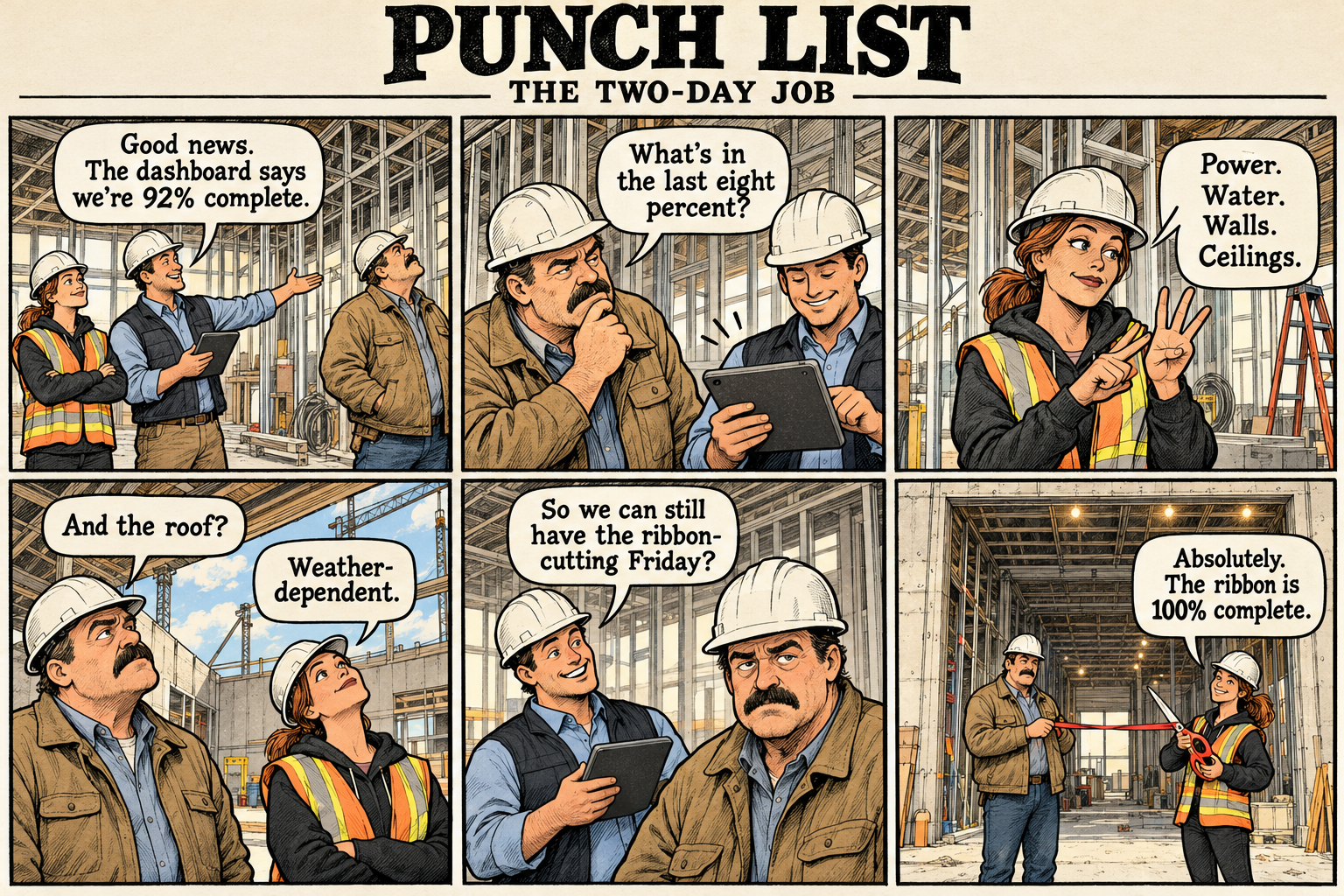
Six-panel Punch List comic: a project manager says the dashboard shows 92 percent completion. Dale asks what remains. The electrician lists power, water, walls, ceilings, and a weather-dependent roof. Asked if Friday’s ribbon-cutting can proceed, Dale replies: Absolutely. The ribbon is 100 percent complete.
Punch List: The Two-Day Job. Original fictional comic, written for PlanVya; AI-assisted illustration. Tap the strip to enlarge.
Read the comic transcript
  1. Manager: “Good news. The dashboard says we’re 92% complete.”
  2. Dale: “What’s in the last eight percent?”
  3. Electrician: “Power. Water. Walls. Ceilings.”
  4. Dale: “And the roof?” Electrician: “Weather-dependent.”
  5. Manager: “So we can still have the ribbon-cutting Friday?”
  6. Dale: “Absolutely. The ribbon is 100% complete.”

“A quick coordination meeting.”

7:00 a.m. — Project manager: We’ll keep this to ten minutes. First item: why are meetings taking so long?

Superintendent: Because the minutes have sequels.

Owner: Could we get a summary of the last meeting before we discuss this meeting?

Engineer: Which revision of the summary?

Scheduler: I’ve added a meeting to resolve that.

7:38 a.m. — Electrician: I need one answer. Can I put the box where the drawing says?

Architect: Not that drawing. The other drawing.

Electrician: The one marked “DO NOT USE”?

Architect: Yes. We’re revising the note.

8:06 a.m. — Project manager: Great collaboration. Same time tomorrow?

Superintendent: No need. At this pace we’ll still be here.

PLANVYA · NATIONAL REACH. JOBSITE ROOTS.09THE FIELD EDITION
THE FIELD EDITIONEXCHANGE & CHALLENGESOCTOBER 27, 2026

THE BUILDERS’ EXCHANGE / ADVERTISEMENTS & THE FIELD PUZZLE

A little commerce.
A little common sense.

House advertisements and clearly marked sample placements.

The delivery that arrived on time—and still stopped the job.

A crane is booked for Monday. The precast delivery is confirmed. The crew is assigned. By Friday afternoon, the access lane still contains another trade’s materials, the final pick sequence has not been reviewed, and the inspection hold point has no named owner.

The weekly schedule shows every activity in green. The superintendent asks for the next action. Do you add more labor, move the milestone, or make the prerequisites visible before anyone commits to the lift?

Open the field desk’s answer

Make the prerequisites visible and assign owners before recommitting to the work. Resolve access, the approved lift arrangements, inspection responsibilities, and required approvals with the responsible qualified people. Record the decision and update the plan. A delivery date alone does not make an activity ready.

This is a planning discussion, not a lift plan or equipment instruction. Actual lifting work requires project-specific engineering, procedures, authorization, and competent personnel.

PLANVYA · NATIONAL REACH. JOBSITE ROOTS.10THE FIELD EDITION
THE FIELD EDITIONREMEMBRANCE & SUBSCRIBEOCTOBER 27, 2026

THE BACK PAGE / REMEMBRANCE & THE EDITOR’S DESK

The names matter.
The people matter more.

A place for the lives and contributions behind the work.

Leave room in the paper for those who built before us.

A worker is more than an incident report. A retired builder is more than a list of projects. These pages will make room for family-approved remembrances: the apprenticeship someone taught, the work they took pride in, the person who always stayed to help.

The Bureau of Labor Statistics recorded 1,034 fatal occupational injuries in the private construction industry in 2024. That is an industry count, distinct from the construction-and-extraction occupation category. The figures describe a national loss; they cannot tell the full story of a single life. BLS, 2024 industry table.

No individual obituary is published in this preview. Send the desk an authorized remembrance, the person’s connection to construction, a source confirming the death, and a photograph you have permission to share. We will review the facts and wording before publication. We do not speculate about cause or responsibility.

Contact the remembrance desk →

Old-paper soul. An honest byline.

This October 27 special preview establishes the newspaper’s new format. The intended regular release is Sunday. Automated assembly and email delivery are not active yet.

Stories are original synthesis of cited public sources, with analysis labeled. We have not conducted interviews for this issue. Illustrations, fictional humor, example profiles, and sample advertisements are identified. Archival photographs include their dates and credits.

Have a correction, a strong project story, or a better joke from the trailer? Write to the editor.

PLANVYA · NATIONAL REACH. JOBSITE ROOTS.11THE FIELD EDITION

Use the page controls or arrow keys. On a phone, swipe left or right. Choose Reading view to see the whole issue.

THE SUNDAY LIST

Keep a copy coming.

Join the Field Edition email list. Sunday delivery launches later; your place on the list starts now.

Free signup. We save your email and consent with Netlify for this newspaper. Email delivery has not launched yet. Privacy & removal.